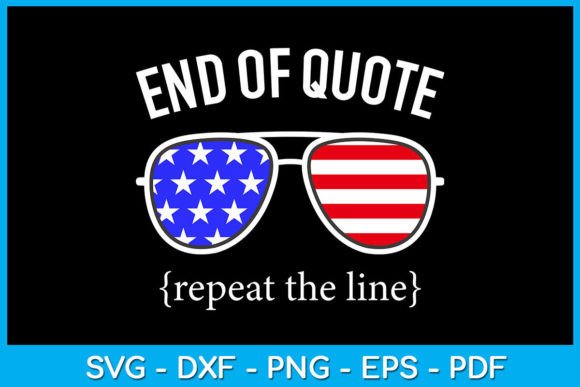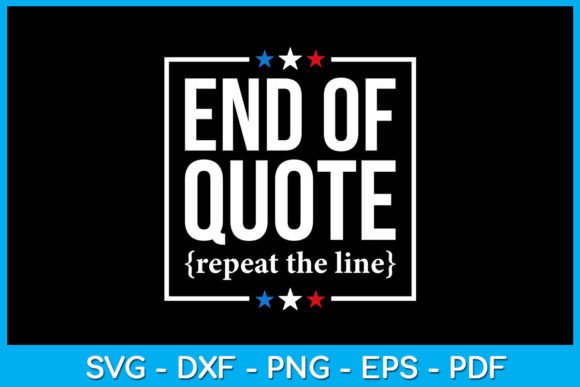
End of Quote Repeat the Line SVG Vol. 4
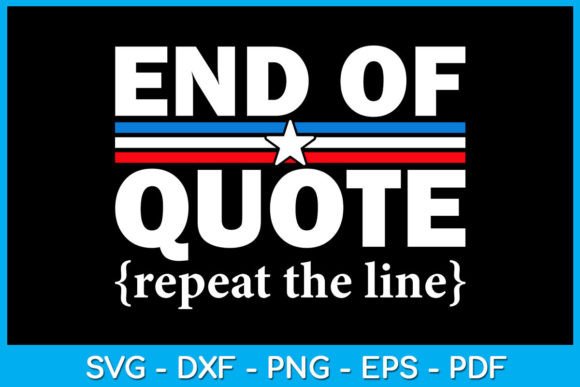
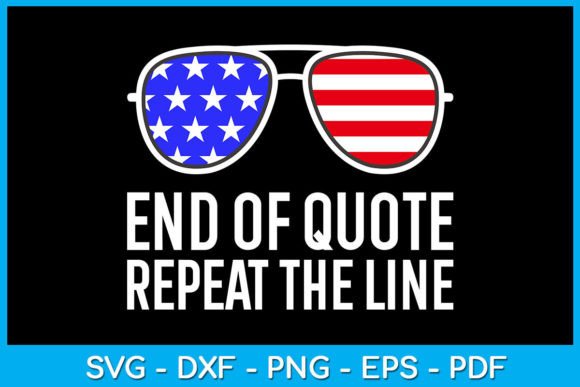
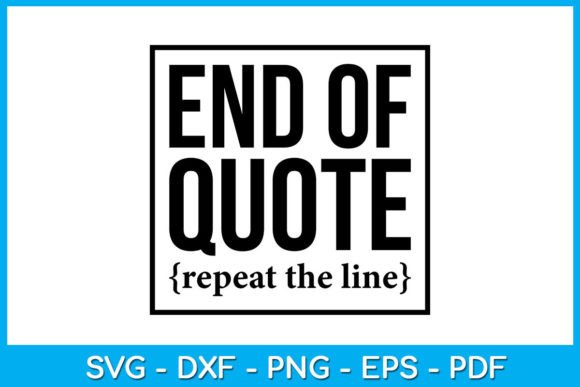
As a designer who spends more time than I care to admit staring at stitch charts and testing thread tension, I approach every new digital embroidery file with a healthy dose of skepticism. The market is flooded with generic text-based designs that look charming on a screen but fall apart under the needle. However, when evaluating End of Quote Repeat the Line SVG Vol. 4, my initial reaction was one of cautious optimism. This isn’t just another decorative element; it feels like a structured design asset built for specific aesthetic outcomes.
The first impression of this machine embroidery design is defined by its rhythm. The "repeat the line" concept suggests a continuous, flowing visual language that translates well into textile art. Unlike rigid block letters or chaotic abstract shapes, this design offers a predictable yet organic flow. It creates a mood that is modern, slightly minimalist, and highly versatile. For a crafter looking to elevate a basic handmade product, this kind of clean, linear personality is gold. It doesn’t shout for attention; it whispers with confidence, which is often exactly what a boutique brand needs to convey professionalism.
Real-World Application: From Screen to Stitch
To truly understand the value of End of Quote Repeat the Line SVG Vol. 4, we have to move beyond the digital preview and imagine it in a real production scenario. Let’s say you are preparing a custom order for a client who wants a personalized apron for their new bakery. You need something that looks elegant but won’t overwhelm the fabric. Placing this design across the chest or down the side seam of a canvas apron could create a stunning focal point.
Alternatively, consider the trend of custom sweatshirt embroidery. Many small shop owners struggle to find designs that work well on heavy cotton blends without causing puckering. The linear nature of this SVG likely allows for better distribution of stress on the fabric compared to dense, solid blocks of fill. Imagine a crewneck sweatshirt featuring this repeat pattern along the sleeve cuff or the bottom hem. It adds a subtle detail that customers appreciate because it feels intentional and high-end, rather than mass-produced.
I also see strong potential in baby embroidery projects. Parents love personalized gifts, and a onesie or a nursery blanket featuring this gentle, repeating line motif can serve as a beautiful keepsake. The design’s simplicity ensures it remains timeless, avoiding the trap of trendy fonts that will look dated in five years. When you think about holiday embroidery or wedding favors, this design fits seamlessly into a theme of understated elegance. It works beautifully for personalized gifts where the sentiment is carried by the quality of the execution rather than loud graphics.
Performance Across Different Textiles
One of the critical aspects of any embroidery project is how the design interacts with different fabric textures. End of Quote Repeat the Line SVG Vol. 4 appears to be optimized for clarity, which means it will perform exceptionally well on stable, woven fabrics like linen, cotton twill, or denim. These materials provide the necessary support for the stitches to lay flat and crisp.
However, designers must be realistic about limitations. If you plan to use this on a stretchy knit fabric without proper stabilization, even the simplest lines can distort. The key here is preparation. Using a high-quality stabilizer is non-negotiable. For tote bag design applications, which often involve thick canvas, ensure your machine has enough power to penetrate the layers. The design’s repetitive nature might require careful planning regarding thread changes if you intend to use multiple colors to highlight the contrast between the lines and the background.
When considering an embroidered patch application, this design shines. Patches often rely on clear borders and distinct shapes to stand out. The linear elements of this SVG can be easily bordered with a satin stitch, creating a polished edge that protects the interior stitching from fraying. This makes it an excellent choice for custom apparel branding, such as adding a logo patch to a baseball cap or a backpack. The design’s scalability is also worth noting; it should resize well for various hoop size constraints, allowing you to fit it into smaller spaces like a child’s shirt pocket or expand it for a large wall hanging.
Where Caution Is Required
No design is perfect for every situation, and being honest about these limitations is part of responsible reviewing. There are specific scenarios where End of Quote Repeat the Line SVG Vol. 4 might not deliver the best results. For instance, attempting to stitch this on a dark fabric using light thread requires careful consideration of thread colors. If the fabric is too dark and the thread too thin, the design may get lost visually. Always test contrast before committing to a full production run.
Furthermore, while the design is likely clean, intricate details can sometimes suffer on textured fabrics like terry cloth or heavy fleece. The loops in these fabrics can obscure fine lines, making the design look muddy or uneven. In such cases, a simpler, bolder graphic might be preferable. Additionally, if you are working with very small hoop sizes, inspect the smallest curves and intersections in the design. Tiny gaps between lines can sometimes merge during stitching if the stitch density is too high or if the fabric shifts during the process.
Another area requiring attention is curved surfaces like caps. Embroidering a linear design on a curved brim or crown requires specialized hoops and techniques to prevent distortion. If you are a beginner in commercial embroidery, stick to flat surfaces until you are comfortable with advanced positioning techniques. Also, remember that designs intended for frequent washing, such as kitchen towels or baby clothes, benefit from sturdy stitching. Ensure that the design does not rely solely on delicate running stitches that might unravel over time.
Practical Designer Notes for Success
Before you load End of Quote Repeat the Line SVG Vol. 4 into your software, take these practical steps to ensure a successful outcome:
- Test on Scrap Fabric: Never assume a design will work perfectly on your final material. Stitch a sample on the exact fabric you plan to use to check for tension issues and visual appeal.
- Check Thread Contrast: Evaluate how the chosen thread colors pop against your fabric. Light threads on dark backgrounds need thickness; dark threads on light backgrounds need saturation.
- Review Stitch Density: Look at the design map. Are there areas where the needle penetrates the fabric too frequently? High density can lead to fabric puckering, especially on lightweight materials.
- Confirm Hoop Size: Ensure the design dimensions fit comfortably within your machine’s standard hoops, leaving room for hooping the fabric securely.
- Inspect Small Details: Zoom in on the vector file. Are any lines too close together? They might fuse during stitching, losing their individual character.
- Use Proper Stabilizer: Match your stabilizer to your fabric weight. Cut-away stabilizers are generally safer for permanent items, while tear-away might suffice for temporary projects.
- Verify Licensing: As an Etsy seller or craft business owner, you must confirm whether the license allows for commercial use of finished goods. Do not assume personal-use licenses apply to products you intend to sell.
Final Verdict on Visual Appeal and Value
Ultimately, the value of a design lies in its ability to enhance the final product. End of Quote Repeat the Line SVG Vol. 4 succeeds in creating a sense of sophistication and cohesion. It elevates simple items like tea towels or pillow covers into curated pieces. For a small shop product, this level of design quality builds customer trust. Buyers can often tell the difference between a clip-art splice and a thoughtfully constructed design asset.
The versatility of this SVG makes it a valuable addition to any graphics library for crafts. Whether you are creating printable mockups for marketing or actual stitched goods, the design holds up well. It supports a brand identity that values cleanliness, repetition, and modern aesthetics. By paying attention to the nuances of fabric choice, stabilization, and thread selection, you can transform this digital file into a tangible, high-value item that customers will cherish.
In conclusion, End of Quote Repeat the Line SVG Vol. 4 is a reliable, aesthetically pleasing option for designers seeking to add a touch of refined minimalism to their work. It is not a flashy novelty, but a solid foundation for professional-grade embroidery projects. If you prioritize clarity, consistency, and broad applicability across various textiles and products, this design deserves a spot in your workflow. Just remember: the best embroidery comes from respecting both the design and the craft.