One Lucky Charm Svg Review
As a designer who spends half my life staring at stitch charts and the other half trying to sell the results, I don’t just buy files; I evaluate them. When I first pulled up One Lucky Charm Svg, I wasn’t looking for another generic clipart image to slap on a t-shirt. I was looking for something that would hold up in a real embroidery project—something with enough visual weight to be noticed but simple enough to stitch cleanly without turning into a tangled mess.
The premise is straightforward: a design centered around luck, charm, and perhaps a touch of whimsy. But in the world of machine embroidery, "straightforward" is where most designs fail. They look fine on a screen but fall apart under the needle. Here is my practical breakdown of how this file performs when moved from your computer screen to your hoop.
First Impressions and Visual Personality
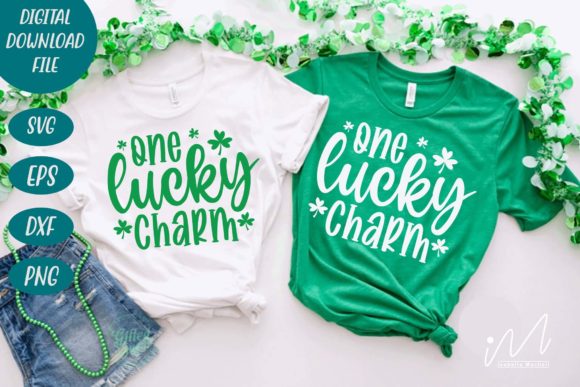
The immediate mood of One Lucky Charm Svg is playful yet grounded. It doesn’t scream for attention with overly complex flourishes; instead, it relies on a clean layout that suggests confidence. For a crafter or an Etsy seller, this distinction matters. You want a design that feels handmade and thoughtful, not mass-produced and cluttered.
Visually, the shape has a strong silhouette. This is crucial for embroidery because the eye reads the outline before it reads the fill. Whether you are planning to use this as a standalone piece or part of a larger composition, the core structure holds its own. It feels like a design that belongs on a cozy sweatshirt, a sturdy tote bag, or a baby’s onesie. It has that "giftability" factor—it’s cheerful without being childish, making it versatile for different demographics.
Real-World Application: The Tote Bag Test
To truly test any embroidery file, I take it out of the digital realm and put it on fabric. My go-to test for a design like One Lucky Charm Svg is a canvas tote bag. Why? Because canvas is unforgiving. It shows every missed stitch, every loose thread, and every density issue.
I imagined placing this design on a natural-colored canvas bag. The contrast potential here is excellent. If you choose a bold thread color, the design pops. If you opt for a tonal approach, it looks sophisticated and boutique-ready. This versatility is what makes it a strong candidate for small business merchandise. It’s not so specific that it limits your audience, but it’s distinct enough to be memorable.
However, the success of this application depends heavily on your choice of stabilizer and hoop size. A tote bag requires a rigid backing to prevent puckering. If you rush this step, even the best design will look amateurish. One Lucky Charm Svg likely benefits from a cut-away stabilizer if you are using heavier fabrics, ensuring the stitches bite properly without distorting the canvas weave.
Apparel and Soft Goods
Beyond bags, this design translates well to soft goods. Think about a crewneck sweatshirt or a high-quality t-shirt. The quote element, if present, adds a narrative layer that customers love. People buy emotional connections, not just cotton. A design that says "One Lucky Charm" taps into that desire for positivity and good fortune.
For knit fabrics like t-shirts, you need to be careful with stretch. If the design includes large areas of satin stitch, it can become stiff and uncomfortable against the skin. I’d recommend checking the stitch types within the file. If there are dense fill stitches, consider reducing the density slightly in your software to maintain the drape of the fabric. This attention to detail is what separates a hobbyist’s product from a professional brand’s inventory.
Where to Use It Carefully
No design is perfect for every surface. There are specific scenarios where One Lucky Charm Svg might struggle, and knowing these upfront saves you time and materials.
- Small Hoop Sizes: If you are working with limited hoop space, intricate details may get lost. Always scale the design down in your software to see if the text or tiny graphical elements remain legible. If they blur together, it’s too small for the final product.
- Textured Fabrics: While canvas works well, highly textured fabrics like bouclé or thick fleece can hide the definition of the stitches. In these cases, the design might look muddy rather than crisp.
- Curved Surfaces: Caps and hats present a three-dimensional challenge. Flat designs often warp when placed on a curved brim or crown. If you plan to embroider this on a cap, you may need to adjust the registration marks or use a specialized cap frame to ensure the centering is correct.
- Dense Stitch Areas: If the design features heavy fill stitches, it can create a bulky feel. On lightweight fabrics like thin jersey or silk, this bulk can cause the fabric to pucker or tear over time, especially after washing.
Technical Considerations for the Designer
Before you hit "start" on your machine, there are a few technical checks every experienced designer should perform. These steps protect your reputation and ensure customer satisfaction.
- Test on Scrap Fabric: Never commit to a final product without a test run. Use scrap fabric that matches the weight and texture of your intended item. This reveals tension issues, thread breaks, or stabilizer mismatches early.
- Check Stitch Density: Look at the stitch density in your embroidery software. Is it too tight for the fabric? Too loose for the thread type? Adjusting these settings can dramatically improve the finished look.
- Review Thread Colors: The digital preview is not always accurate. Check your physical thread spools against the design. High-contrast colors usually work best for readability, but subtle tones can add elegance. Avoid colors that are too similar to the fabric, as they will disappear.
- Inspect Small Details: Zoom in on the smallest elements. Are they connected properly? Will they fray or unravel during washing? Sometimes, a tiny loop needs to be trimmed manually in the digitizing software to prevent tangling.
- Confirm Licensing: If you are selling finished items, double-check the license terms provided with the file. Some files are for personal use only, while others allow commercial sales. Clarity here prevents legal headaches later.
Final Verdict
One Lucky Charm Svg is a solid addition to any embroidery library. It strikes a balance between aesthetic appeal and technical feasibility. It’s not overly complex, which means it’s forgiving for beginners but still polished enough for seasoned pros. It works beautifully for personalized gifts, holiday merchandise, and everyday wearables.
For the Etsy seller or craft fair vendor, this design offers a low-risk, high-reward opportunity. It’s easy to produce, visually appealing, and emotionally resonant. Just remember that the magic isn’t just in the file—it’s in the execution. Take your time with setup, choose quality threads, and respect the fabric. Do that, and One Lucky Charm Svg will help you create products that customers love to wear and display.
In the end, the best embroidery designs are the ones that make the process enjoyable and the result satisfying. This file delivers on both fronts, making it a worthy investment for anyone serious about their craft business or creative projects.