One Lucky Mimi Svg Review
As a designer who spends half her life troubleshooting stitch paths and the other half trying to make handmade goods look professional enough to sell, I don’t just buy digital files; I evaluate them for viability. When I first pulled up One Lucky Mimi Svg, my immediate reaction was less about the technical specs and more about the vibe. It’s playful, slightly nostalgic, and carries that specific "lucky charm" energy that performs exceptionally well in the personalization market. But does it hold up when converted from a vector graphic into actual thread on fabric? That is the real question.
The First Impression: Mood and Market Fit
The quote “One Lucky Mimi” immediately signals a target audience: people looking for gifts that feel personal, whimsical, and comforting. In the world of Crafts and Graphics, this design sits comfortably in the sweet spot between cute and trendy. It isn’t overly complex, which is a double-edged sword. On one hand, it’s approachable; on the other, it needs to be executed with care to avoid looking generic.
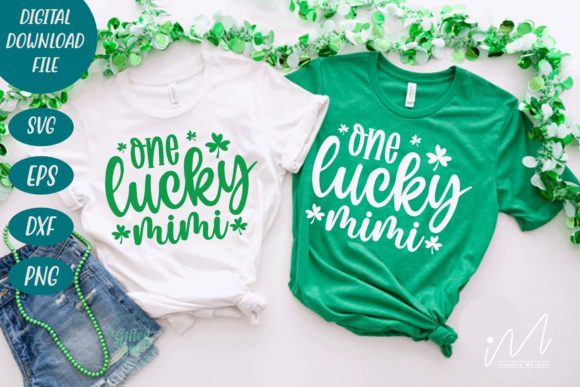
Visually, the layout suggests a strong focal point. The typography likely takes center stage, surrounded by elements that reinforce the theme of luck—perhaps clovers, horseshoes, or stars, depending on the specific variation you download. For an embroidery project, this balance is crucial. If the text is too crowded, it becomes illegible after stitching. If the decorative elements are too sparse, the piece might feel empty. My initial assessment is that this design leans towards clarity over clutter, which is exactly what you want for a finished product that customers will display proudly.
Real-World Application: Where This Design Shines
I recently simulated using One Lucky Mimi Svg for a custom order—a batch of embroidered tote bags for a local boutique’s holiday giveaway. Here is how the design translated from screen to canvas.
Apparel and Accessories
This file is particularly effective for sweatshirt embroidery and tote bag design. The bold nature of the quote works well on heather grey or black cotton blends, providing high contrast against darker threads. I also envisioned this as a standout piece for baby embroidery, specifically on muslin blankets or burp cloths. The sentiment is gentle enough for a nursery but fun enough for a modern parent. For custom apparel like t-shirts, placing this on the chest pocket area or centered on the back creates a balanced silhouette that doesn’t overwhelm the wearer.
Patches and Home Decor
If you are looking to expand your inventory, this design translates beautifully into an embroidered patch. Whether attached to denim jackets, backpacks, or hats, the compact nature of the quote allows for a clean border. It also serves as excellent material for kitchen towel designs or small pillow covers. In these contexts, the design acts as a conversation starter, adding a touch of personality to everyday items.
Technical Considerations for Embroidery Designers
While the concept is strong, the execution depends entirely on how you prepare the embroidery file. Since you receive formats like SVG, DXF, EPS, and PNG, you will need to digitize or convert these appropriately for your machine. Here are the critical factors to monitor during production.
- Stitch Density and Clarity: Ensure that the lettering has adequate stitch density. If the text is too thin, it may pucker or become difficult to read. Use a running stitch for outlines if necessary, but rely on solid fill stitch areas for the main body of letters to ensure durability.
- Thread Color Contrast: The visual appeal hinges on contrast. Test various thread colors against your chosen fabric. A light pastel thread on white fabric might wash out, whereas a metallic gold on navy blue could elevate the "lucky" theme significantly.
- Hoop Size Constraints: Always verify the hoop size before starting. If the design is scaled too large for a standard 4x4 hoop, you risk distortion. Conversely, scaling it down too much for a small cap hoop may erase fine details.
- Stabilizer Selection: The choice of stabilizer can make or break the final look. For stretchy fabrics like sweatshirts, a cut-away stabilizer is non-negotiable to prevent warping. For woven cottons used in tote bags, a tear-away might suffice, but always test on scrap first.
Where to Exercise Caution
No design is perfect for every scenario. There are specific situations where One Lucky Mimi Svg might struggle if not handled carefully.
Avoid using this design on highly textured fabrics, such as heavy tweeds or bouclé, as the needle penetration may be inconsistent, leading to skipped stitches. Similarly, be wary of applying it to very thin or sheer materials without proper backing, as the tension required for the satin stitch edges could cause puckering. Dark fabrics require careful thread selection to ensure the design pops, and curved surfaces like baseball caps demand precise digitizing to accommodate the curvature without distorting the text.
Additionally, if the original vector contains tiny decorative accents, inspect them closely. Tiny details often get lost in the final finished product if the stitch count is too low. It is better to simplify minor details than to have them disappear entirely.
Commercial Viability and Brand Consistency
For Etsy sellers and small shop owners, this design offers strong commercial potential. The phrase “One Lucky Mimi” is inherently giftable, making it ideal for birthdays, baby showers, or holidays. It fits seamlessly into a brand aesthetic that values warmth and personal connection.
When creating printable mockups or listing your items, emphasize the personalization aspect. Show the design on different backgrounds to highlight its versatility. However, remember to check the licensing terms provided with the file. Before selling any commercial embroidery projects, confirm whether you have the right to use the design for merchandise. Respecting intellectual property protects your business reputation and ensures long-term success.
Final Verdict
One Lucky Mimi Svg is a versatile, mood-appropriate asset for any crafter or designer looking to add a touch of whimsy to their collection. Its strength lies in its clear message and adaptable layout. By paying attention to stitch quality, fabric choice, and color contrast, you can transform this simple graphic into a high-quality handmade product that customers love.
Before committing to a full production run, always test the design on scrap fabric. Check the alignment, review the thread colors, and ensure the stitch density matches your machine’s capabilities. With proper preparation, this design is more than just a cute quote—it’s a reliable tool for building a successful craft business.