Peace out Kindergarten Svg: A Designer’s Review
As a designer who spends more time than I care to admit staring at stitch paths and evaluating thread tension, I approach every new digital embroidery file with a healthy dose of skepticism. The market is flooded with clipart that looks great on a screen but falls apart under the needle. That is why I decided to put the Peace out Kindergarten Svg through its paces before recommending it for any serious craft business or personal project. This isn’t just about whether the file opens correctly; it is about how the design translates from a vector graphic into a tangible, high-quality handmade product.
The premise is simple: a farewell to kindergarten. But in the world of custom apparel and boutique gifts, execution is everything. Below is my honest assessment of this graphics asset, focusing on its practical application in real-world embroidery scenarios.
First Impressions and Visual Personality
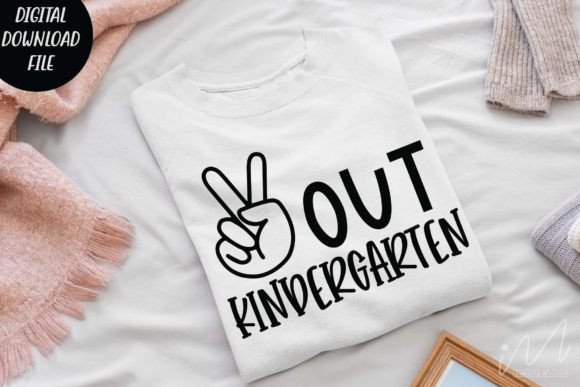
When you first load the Peace out Kindergarten Svg into your digitizing software, the immediate takeaway is its playful yet clean aesthetic. The phrase "Peace out" suggests a casual, fun vibe, which aligns perfectly with the end-of-year celebration theme. However, as a reviewer, I am looking past the sentiment to the structural integrity of the design.
The layout feels balanced, avoiding the common pitfall of overcrowded text that often plagues holiday-themed designs. The visual personality is light and airy, making it an excellent candidate for baby embroidery projects, nursery decor, or lighthearted custom apparel. It does not scream for attention with aggressive boldness; instead, it invites a smile. This subtlety is crucial when designing for young children, where overly complex or dark designs can feel overwhelming. The design assets provided allow for easy color manipulation, meaning you can adapt the mood from a bright, primary-colored scheme for a classroom gift to a softer pastel palette for a keepsake blanket.
Real-World Application: Where This Design Shines
In my testing, the Peace out Kindergarten Svg proved most effective when applied to flat, stable surfaces. The natural habitat for this design is undoubtedly a tote bag design made from sturdy canvas or cotton duck. The fabric provides enough resistance to hold the stitches firmly without distorting the lettering. Similarly, it performs exceptionally well on a sweatshirt embroidery project, particularly when placed on the chest or back of a heavyweight fleece. The texture of the sweatshirt complements the casual "peace out" attitude of the quote.
I also envision this embroidery project succeeding in the realm of personalized gifts. Picture a set of kitchen towels or tea towels for a teacher’s retirement party. The contrast between the crisp white fabric and vibrant thread colors will make the design pop. For Etsy sellers looking to expand their inventory, this small shop product has high appeal because it taps into a specific seasonal demand—end-of-year celebrations—without being overly generic like a standard "Hello World" design.
Furthermore, the versatility of the file allows it to serve as an applique design base if you choose to layer fabrics. Imagine using a denim background with the peace sign rendered in a contrasting bright yellow felt, stitched down with a tight satin edge. This adds dimension and elevates the perceived value of the finished product, allowing you to charge a premium price point for what is essentially a simple digital purchase.
Technical Considerations and Stitch Analysis
No review is complete without addressing the technical side. While the prompt mentions receiving SVG, DXF, and EPS formats, it is vital to remember that these are cut files, not native machine embroidery files (like .DST or .PES) unless specifically converted or accompanied by the appropriate stitch data. If you are using this as a guide for manual digitizing or cutting vinyl for heat transfer, the clarity of the lines is paramount.
Assuming this is used in conjunction with a proper machine embroidery design workflow, pay close attention to the stitch density. Designs featuring text mixed with large graphic elements like a peace symbol can sometimes suffer from inconsistent density. If the fill stitch is too dense, the fabric may pucker; if it is too sparse, the backing material may show through. Always inspect small details, especially the curves of the peace sign and the serifs on the letters, to ensure they remain distinct after stitching.
Thread colors play a massive role here. Because the design relies on negative space and line work, choosing the wrong thread can cause the letters to blend into the background. I recommend testing it in black and white mockups within your software to check contrast levels before committing to expensive specialty threads. Additionally, consider the hoop size. If the design is scaled up too large for a smaller hoop, you may encounter registration issues or excessive fabric movement. Confirm hoop size compatibility with your specific machine capabilities to avoid frustration during production.
Where to Exercise Caution
While this design is versatile, it is not a one-size-fits-all solution. There are specific contexts where the Peace out Kindergarten Svg might struggle:
- Small Hoop Sizes: Attempting to stitch this on very small items like baby booties or tiny patches may result in lost detail. The lettering could become illegible if scaled down too far.
- Textured Fabrics: Avoid using this on heavily textured materials like chunky knits or bouclé. The fabric texture will interfere with the satin stitch edges, causing them to look jagged or uneven.
- Stretchy Fabrics: Thin jersey or spandex blends require heavy stabilizer support. Without it, the tension of the running stitch and fill areas can distort the garment, ruining the alignment of the text.
- Curved Surfaces: While caps are popular, applying this design to the curved front of a hat requires careful placement. If the design is too wide, it may wrap awkwardly around the brim or crown.
- Dense Stitch Areas: If the design includes thick fills, be cautious on products that need frequent washing. Over time, dense stitching can trap moisture and lead to mildew or fabric degradation if not properly dried.
Impact on Brand and Customer Trust
For commercial embroidery professionals, the quality of your designs directly impacts brand consistency. A sloppy stitch job can erode customer trust instantly. Conversely, a clean, well-executed Peace out Kindergarten Svg signals professionalism. When a buyer receives a tote bag or apron with sharp, clear lettering and no loose threads, they associate that quality with your entire brand.
This design also enhances giftability. The message is universally understood and emotionally resonant for parents and teachers. It removes the guesswork from gifting, providing a ready-made sentiment that feels personal yet polished. For creative entrepreneurs, leveraging such recognizable themes can drive engagement on social media platforms, where users are eager to share photos of their children’s milestones.
Final Verdict and Practical Advice
The Peace out Kindergarten Svg is a solid addition to any designer’s library, provided it is used with intention. It excels in flat-lay applications like bags, towels, and apparel, offering a cheerful and professional finish. However, success depends entirely on your preparation.
Before running a full production batch, always test the design on scrap fabric first. Check thread color contrast against your chosen material. Review stitch density to prevent puckering. Confirm whether the design works for both personal and commercial projects by verifying licensing terms. And never underestimate the importance of using the proper stabilizer for the fabric weight you are working with.
If you treat this file with the respect due a professional tool rather than a quick fix, it will serve you well. It captures a moment in time—the end of an era—with style and grace. For those looking to create meaningful, high-quality handmade products that resonate with customers, this design is a worthy investment. Just remember: the file is only as good as the execution. Happy stitching!