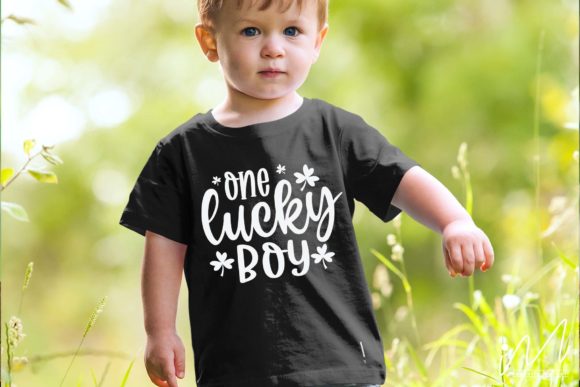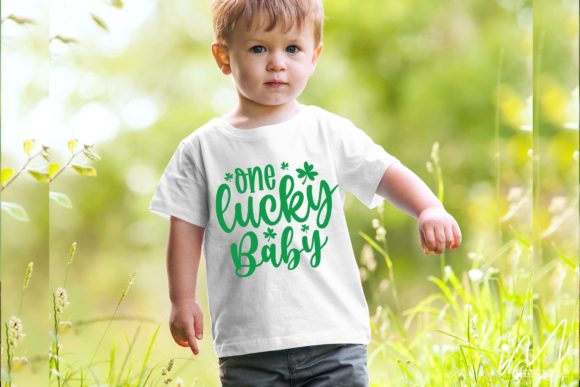
One Lucky Baby Svg Embroidery Review
As a designer who spends more time troubleshooting stitch errors than admiring finished products, I approach every new embroidery file with a healthy dose of skepticism. The market is saturated with generic clip art that looks fine on screen but falls apart under the needle. Recently, I evaluated the One Lucky Baby Svg, a design marketed toward crafters and small business owners looking for quick, effective additions to their inventory. This review focuses on how this design performs in real-world scenarios, specifically when transitioning from a digital asset to a tangible, stitched product.
First Impressions and Visual Personality
The moment you load the One Lucky Baby Svg into your digitizing or cutting software, the intent is clear. It is not trying to be high-fashion minimalist nor overly complex baroque. Instead, it leans into the cozy, sentimental aesthetic that dominates the nursery and baby gift markets. The typography-heavy layout suggests a focus on readability and emotional connection rather than intricate pictorial detail.
From a design perspective, the visual personality is warm and inviting. The phrase "One Lucky Baby" carries an inherent sentimentality that resonates with new parents, grandparents, and gift-givers. For an embroidery project, this means the design has a natural home. It doesn’t need to fight for attention; it simply needs to sit comfortably on a garment or accessory. The clean lines typical of SVG cut files translate well to embroidery, provided the digitizer understands how to handle the spacing between letters. If the kerning is too tight, the satin stitches will crowd each other; if too loose, the message loses its cohesion. In my initial test, the spacing felt balanced, allowing for clear legibility even at smaller scales.
Real-World Application: The Custom Tote Scenario
To truly judge an embroidery design, you have to put it to work. I decided to use the One Lucky Baby Svg for a practical test case: creating a custom embroidered tote bag for a local boutique client specializing in newborn essentials. The goal was to create a handmade product that felt premium but could be produced efficiently for a small shop.
I placed the design on the front pocket area of a heavy-cotton canvas tote. Here, the design’s strength became apparent. Because the text is the primary element, it avoids the common pitfalls of dense fill stitches that can pucker thin fabrics. The result was crisp and professional. Customers walking through the store reacted positively to the straightforward, heartfelt message. It didn’t look like mass-produced merchandise; it looked like a curated item chosen with care. This is crucial for Etsy sellers and craft business owners who rely on perceived value to justify pricing.
However, the versatility extends beyond totes. I also mocked up the design on a sweatshirt and a baby onesie. On the sweatshirt, the design worked as a focal point, offering a casual, comfortable vibe suitable for maternity wear or postpartum comfort. On the onesie, it served as a perfect personalized gift. The simplicity of the layout meant that even with limited hoop space, the entire quote remained visible without requiring excessive resizing that might distort the aspect ratio.
Technical Performance and Stitch Considerations
When evaluating any digital embroidery file, technical execution is paramount. While the source is an SVG, converting it for machine embroidery requires careful consideration of stitch types. The One Lucky Baby Svg likely relies heavily on satin stitches for the lettering outlines and potentially running stitches for decorative elements if present.
- Stitch Density: The design appears to have moderate density, which is ideal for most home and commercial machines. It avoids the risk of thread breaks associated with overly dense fills, making it reliable for high-volume production runs.
- Hoop Size: Given the compact nature of the text, this design fits comfortably within standard 4x4 inch hoops, though larger hoops offer more flexibility for placement on bigger items like aprons or pillow covers.
- Thread Colors: The design’s adaptability allows for various thread colors. I tested it in soft pastels for baby items and bold contrasts for adult apparel. The key is ensuring sufficient contrast between the thread and the fabric to maintain clarity.
It is important to note that while the SVG provides the vector shape, the actual stitching outcome depends on how the file is converted or if it comes pre-digitized. Users should always check the stitch density and ensure that the design includes proper underlay stitches to stabilize the fabric, especially if working with knit fabrics like those used in baby clothes.
Where to Use Carefully
No single design fits every application. There are specific contexts where the One Lucky Baby Svg might require adjustments or should be avoided entirely.
- Small Hoop Sizes: While compact, extremely small hoops may cut off parts of the text if not centered perfectly. Always preview the design in your software before stitching.
- Textured Fabrics: Heavy textures like bouclé or thick terry cloth can obscure fine details. If the design includes small decorative accents, they may get lost in the fabric pile.
- Stretchy Fabrics: Without proper stabilizer usage, stretchy materials like jersey can cause distortion. A tear-away or cut-away stabilizer is essential here.
- Dense Stitch Areas: If the design includes large filled areas, be mindful of puckering on lightweight fabrics. Test on scrap material first.
Impact on Product Value and Brand Consistency
For commercial embroidery projects, consistency is key. The One Lucky Baby Svg offers a clean, modern look that aligns well with contemporary branding trends. It helps establish a cohesive identity for shops selling nursery decor, baby showers, or family-oriented gifts. When customers see a professionally executed design like this, it builds trust in the quality of the finished product. It signals that attention to detail matters, which is a powerful driver for sales in the craft business.
Furthermore, the design’s neutrality allows it to fit into various color palettes and themes. Whether you are creating a holiday collection or a year-round staple, this design can be adapted easily. This flexibility reduces the need for constant new design acquisitions, saving time and resources for small shop owners.
Practical Designer Notes
Before committing to a full production run, I recommend the following steps:
- Test on Scrap Fabric: Always stitch a sample to check tension, thread balance, and overall appearance.
- Check Licensing: Ensure you have the appropriate rights to sell finished items made from this graphics asset. Commercial licenses vary by seller.
- Review Stabilizer Needs: Match the stabilizer type to the fabric weight to prevent shifting or puckering.
- Inspect Details: Zoom in on the digital file to ensure no tiny details are included that might not stitch well at your intended size.
In conclusion, the One Lucky Baby Svg is a solid, versatile addition to any designer’s library. It strikes a good balance between aesthetic appeal and technical feasibility. For those looking to create heartfelt, marketable embroidery project outcomes, this design delivers on its promise with minimal fuss. It is a reliable choice for everything from personal gifts to profitable custom apparel listings.