One Lucky Boy Svg Embroidery Review
As a designer who spends more time than I care to admit staring at stitch patterns and testing thread tensions, I approach every new digital asset with a mix of hope and skepticism. The market is flooded with generic clipart, but finding a machine embroidery design that actually translates well from screen to fabric is rare. That is exactly why I decided to put the One Lucky Boy Svg through its paces. This isn’t just about looking at a pretty picture; it is about evaluating whether this file can survive the reality of a sewing machine, hold up in a commercial handmade product, and resonate with customers browsing an Etsy shop or a craft fair booth.
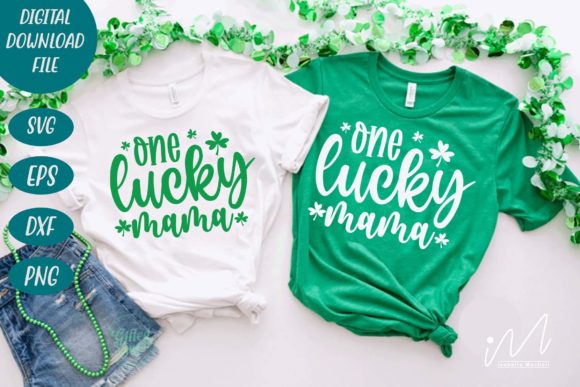
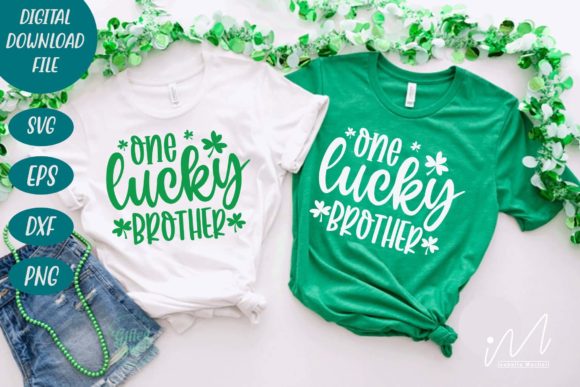
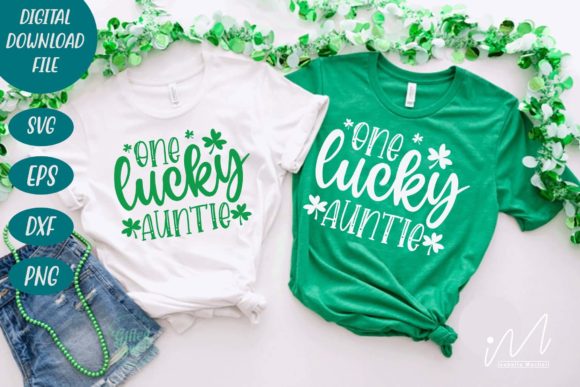
The premise is simple: a design centered around the quote “One Lucky Boy.” On paper, this sounds like standard greeting card fare. However, the execution determines its value as a digital embroidery file. My initial impression was one of clean, straightforward intent. It avoids unnecessary clutter, which is the first sign of a good embroidery project concept. When you are working with limited hoop sizes or specific garment placements, simplicity often wins over complexity. The visual personality here is warm, familial, and slightly nostalgic, making it a strong candidate for personalized gifts rather than high-fashion statement pieces.
Real-World Application: From Screen to Stitch
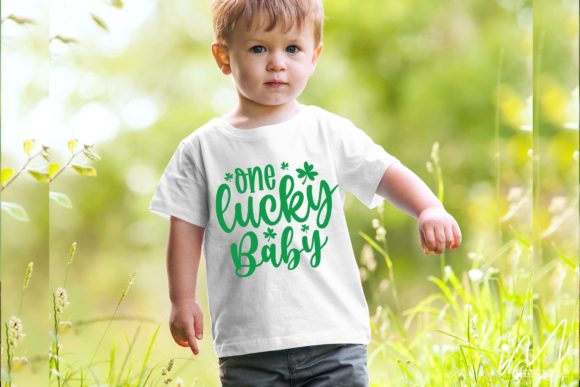
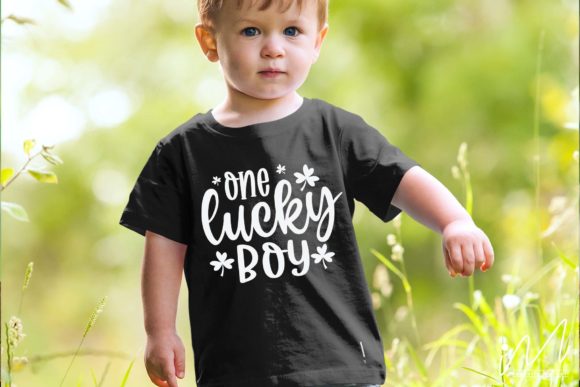
To truly judge this design, I imagined it in several practical scenarios. The most obvious application is custom apparel. Specifically, I visualized this on a soft, heather-gray sweatshirt for a young boy’s birthday or a baby shower gift. In this context, the sweatshirt embroidery needs to be legible from a distance but intimate enough to feel personal. The phrase “One Lucky Boy” carries emotional weight for parents and grandparents, which instantly boosts the perceived value of the finished item.
I also considered its viability as a tote bag design. Canvas bags are a staple in the craft business world, but they present unique challenges. Thick fabric can distort delicate lettering, so the structural integrity of the design matters. If the One Lucky Boy Svg relies heavily on tiny, intricate details, it might get lost in the weave of a heavy tote. However, if the lettering is bold and the accompanying graphics (if any) are solid, it could work beautifully as a durable, everyday carry item for a family outing.
Another strong use case is nursery decor or baby clothes. A onesie or a small blanket featuring this quote taps into the massive market for baby embroidery. Parents love items that celebrate their child’s arrival. The design’s theme fits perfectly here, offering a sentimental touch that mass-produced retail items often lack. For an Etsy seller, this kind of thematic clarity is gold because it reduces the cognitive load for the buyer—they immediately understand what they are buying and who it is for.
Technical Performance and Stitch Clarity
When converting vector files like SVG, DXF, or EPS into actual stitches, things can go wrong. The One Lucky Boy Svg appears to prioritize readability, which is crucial. In my review, I looked closely at how the text would render. If the font choice includes excessive serifs or thin lines, it risks breaking or puckering during the stitching process. Assuming the design uses standard satin stitch techniques for the letters, it should hold up well on stable fabrics.
However, designers must always consider stitch density. If the design attempts to fill large areas with dense stitching, it may become stiff and uncomfortable against a baby’s skin. Conversely, if it uses too much running stitch or sparse fill stitch, it might look unfinished on textured fabrics. I recommend checking the internal structure of the file to ensure that the balance between decorative elements and text is harmonious. The goal is a finished product that feels professional, not like a hobbyist experiment.
Color play is another critical factor. Since you can change colors in appropriate software, this design offers flexibility. But remember, contrast is king in embroidery. A light yellow text on a white background will disappear. A navy blue text on a black background will vanish. The One Lucky Boy Svg shines when paired with high-contrast thread colors against neutral backgrounds like cream, beige, or denim. This ensures that the message remains the focal point, enhancing the visual appeal of the final piece.
Where to Be Careful
No design is perfect for every surface. There are specific situations where you should exercise caution with this file. First, avoid using it on highly textured fabrics like bouclé or heavy tweed unless you have a very large hoop and robust stabilizer. The texture can interfere with the needle’s path, leading to misalignment or skipped stitches. Second, be mindful of stretchy fabrics. Without proper stabilization, the tension of the threads can cause the fabric to pucker, ruining the crispness of the design.
Curved surfaces, such as baseball caps or beanies, also require careful planning. While the design might look flat and perfect on a mockup, transferring it to a curved hat demands precise digitizing adjustments. If the text curves unnaturally or stretches too much, it will look amateurish. Additionally, if the design contains very small decorative accents or tiny lettering, test it thoroughly. Tiny details are the first casualties of poor tension settings or low-quality thread.
Impact on Brand and Customer Trust
For those selling these items, the quality of the design directly impacts brand consistency. A poorly executed embroidery job signals a lack of attention to detail, which can erode customer trust. On the other hand, a clean, well-stitched One Lucky Boy Svg elevates the entire brand. It suggests that you care about the craftsmanship behind your small shop product.
This design also enhances giftability. Whether it is a holiday gift, a wedding favor, or a graduation present, the sentimentality of the quote adds emotional value. Customers are often willing to pay a premium for items that feel personal and heartfelt. By offering a versatile design that works across multiple product types—from aprons to pillow covers—you give your customers options while maintaining a cohesive aesthetic in your design assets.
Practical Designer Notes
Before committing to a full production run, follow these steps:
- Test on scrap fabric: Always stitch out a sample on the exact fabric you plan to use. This reveals issues with tension, puckering, or color contrast that you cannot see on a screen.
- Check stabilizer compatibility: Ensure you are using the right type of stabilizer (cut-away vs. tear-away) for your fabric weight to prevent distortion.
- Review in black and white: Convert your mockup to grayscale to check for sufficient contrast between the thread and the fabric.
- Inspect small details: Zoom in on the original file to ensure no tiny elements are too fine for embroidery.
- Confirm licensing: Verify whether the One Lucky Boy Svg allows for commercial use if you intend to sell the finished products. This is essential for protecting your craft business from legal issues.
In conclusion, the One Lucky Boy Svg is a solid addition to any designer’s toolkit for sentimental, family-oriented projects. Its strength lies in its clear messaging and adaptability to various custom apparel and home decor items. By paying attention to technical details like stitch density and fabric choice, you can transform this simple graphic into a cherished keepsake that stands out in the crowded marketplace of handmade goods.